Browser-first casino access
Duel Mobile Guide 2026
 Available in US
Duel runs through mobile web on iOS and Android rather than through a native app. That keeps the access route simple, but crypto deposits, withdrawals and game sessions still demand the same network, wallet and rule checks as they do on desktop.

- iOSMobile web
- AndroidMobile web
- Native appNone
- Balance modelCrypto-only
- Casino library5,000+ games
Duel uses the mobile browser as the access layer
On both iOS and Android, Duel is accessed through mobile web. There is no native application to install, so the browser is the main interface for reaching the casino, handling crypto funding and opening games.
That distinction is practical rather than cosmetic. A native app is a separate software package distributed and updated through an app channel. A mobile website instead runs inside the browser and loads the current web interface when visited. For Duel, the published setup is the second model.
The underlying product scope remains the same casino environment described in the games guide: more than 5,000 games, third-party providers, live casino and Duel Originals. Mobile access changes the screen and input method, not the need to read the selected game's own rules.
No native install
Duel does not have a native iOS or Android app. The browser is the expected access route on both platforms.
Same crypto funding logic
The casino balance is crypto-only, so mobile use still depends on coin, network and wallet accuracy rather than a separate mobile payment system.
Game rules remain title-specific
A smaller screen does not standardize RTP, volatility, live-table limits or Originals mechanics; those stay attached to the selected game.
Browser access removes app installation, but not session discipline
Without a native app, there is no separate mobile package to install before using Duel. A user instead opens the site in a browser and works within that browser session. This can reduce setup friction, but it also puts more emphasis on basic browser hygiene.
For example, a mobile browser may keep multiple tabs open, restore old sessions or offer autofill and clipboard conveniences. Those are general device behaviors, not Duel-specific features, and they can become relevant when a user is handling wallet addresses or returning to a gambling session later.
| Mobile element | Duel setup | Practical consequence |
|---|---|---|
| Access method | Mobile web | Use the browser rather than looking for a native install |
| iOS | Browser access | The web session is the product interface |
| Android | Browser access | The web session is the product interface |
| Native app | Not offered | No separate app package is part of the published mobile setup |
| Payments | Crypto-only balance | Coin, network and destination checks still matter on mobile |
- Open Duel through the mobile browser and confirm you are using the intended site before entering account or wallet information.
- Keep the gambling session separate from unrelated tabs when copying crypto addresses or moving between a wallet and the casino.
- Read the selected game's rules inside the current session rather than assuming desktop memory applies to every title.
- Close or secure the browser session when using a shared or borrowed device.
A phone makes address checking more important, not less
Duel supports a core set of BTC, ETH, LTC, USDT, USDC, XRP, DOGE, BNB, TRX and SOL, and its balance is crypto-only. The payment model itself does not change on mobile. The same network-selection and destination-address logic described in the payments hub still applies.
Duel has no stated platform minimum for deposits and is reported as having no platform minimum for withdrawals. It also does not charge a platform fee for those transfers; the network fee remains. Those points make the blockchain route the main variable, especially for smaller transfers.
The phone-specific risk is operational. Addresses are long, interfaces are compact and users often switch between a wallet app and the browser. A copied address should therefore be checked after pasting, and the selected network should match the destination route before approval.
- Match the coin and network before sending.
- Compare the beginning and end of the pasted wallet address with the intended destination.
- Review the network fee before approving a small transfer.
- Use the current payment dialog rather than assuming a previously used route is still the correct one.
- Remember that blockchain transfers are generally irreversible after broadcast.
The withdrawal guide goes deeper into network confirmation, fees and the distinction between casino-side processing and final blockchain arrival.
The 5,000+ game library still needs title-level reading on mobile
Duel lists more than 5,000 casino games, including major third-party providers, live casino and its own Originals. Mobile access does not turn that variety into a single standardized experience. Slots can differ in volatility and RTP settings, live tables can differ in rules and stake limits, and Originals use their own mechanics.
On a phone, the main constraint is information density. A game can fit the screen while secondary panels, paytables or rule information sit behind additional taps. Before staking money, it is worth locating the rule or information panel first, particularly for live tables and in-house games with special conditions.
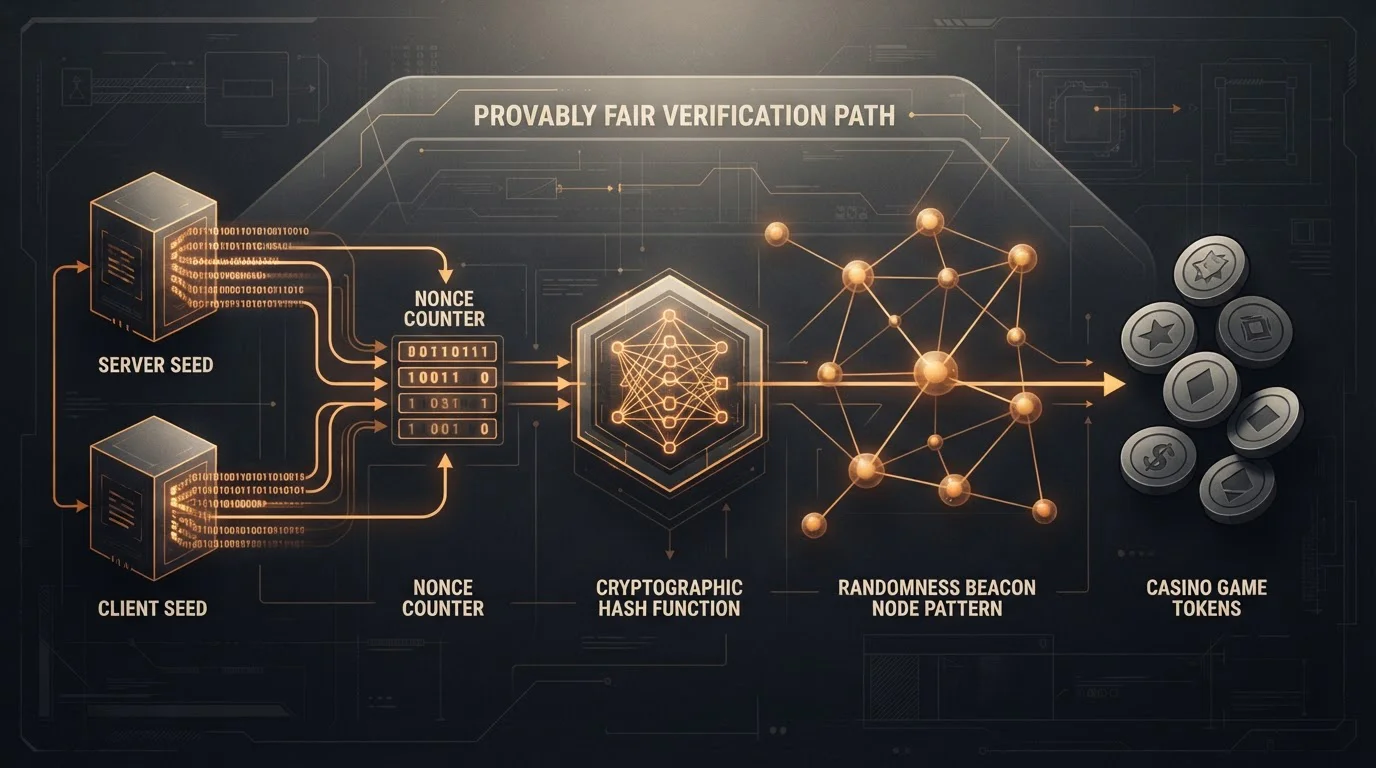
Duel Originals use provably fair mechanics based on published server seed, client seed and nonce inputs, with SHA-256 described in the verification process. That verification concept still applies on mobile, although checking hashes and seed data can be more comfortable on a larger screen. The mechanism itself does not become more or less fair because of device type.
What mobile web keeps accessible
- The wider Duel casino catalogue.
- Crypto deposit and withdrawal workflows.
- Live casino and Duel Originals through the browser interface.
What still needs a deliberate check
- Title-specific RTP, volatility and game rules.
- Live-table stake limits and side bets.
- Wallet address and network details during crypto transfers.
Mobile convenience is strongest when the device is treated as a financial terminal
A crypto casino session can involve more than gameplay. It may include wallet access, clipboard use, one-time codes or other account controls supplied by the user's own device and services. That makes basic device security relevant even when the casino itself is simply running in a browser.
Use a locked personal device where possible, keep the operating system and browser maintained, and avoid approving blockchain transfers when distracted. These are general security practices rather than Duel-specific product claims, but they address the most consequential mobile failure mode: an irreversible transfer to the wrong destination.
- Best place to slow down
- Before a crypto transfer is approved
- Best item to verify twice
- Destination address and network
- Best game habit
- Open the rules before betting, especially on an unfamiliar title
- Best session habit
- Do not leave an active gambling or wallet session exposed on a shared device
Browser convenience should also be separated from betting frequency. Easier access can make repeated sessions frictionless, so time and spending limits remain useful even when there is no app installation step.
Mobile questions worth resolving before the first session
Does Duel have an iOS app?
No native iOS app is listed. Duel is accessed through mobile web on iOS.
Does Duel have an Android app?
No native Android app is listed. Android users access Duel through the browser.
Can I deposit and withdraw crypto on mobile?
Duel's crypto-first funding flow is available through the mobile web interface. Coin, network, fee and destination checks still apply.
Are Duel's games different on mobile?
The published mobile setup is browser access to Duel rather than a separate native product. Individual game rules, RTP, volatility and table limits remain title-specific.
What is the biggest practical risk when moving crypto on a phone?
Sending on the wrong network or to the wrong address can be irreversible. Verify both before approving the transfer.
Duel mobile is straightforward when the browser is treated as the access layer
Duel's mobile model is easy to describe: browser access on iOS and Android, with no native app. The practical complexity comes from the activities inside that browser session. Crypto transfers still require exact network and address checks, individual games still carry their own rules, and an always-available phone can make session discipline more important. The device changes convenience; it does not change blockchain irreversibility or gambling variance.